
Novos Valores 2026
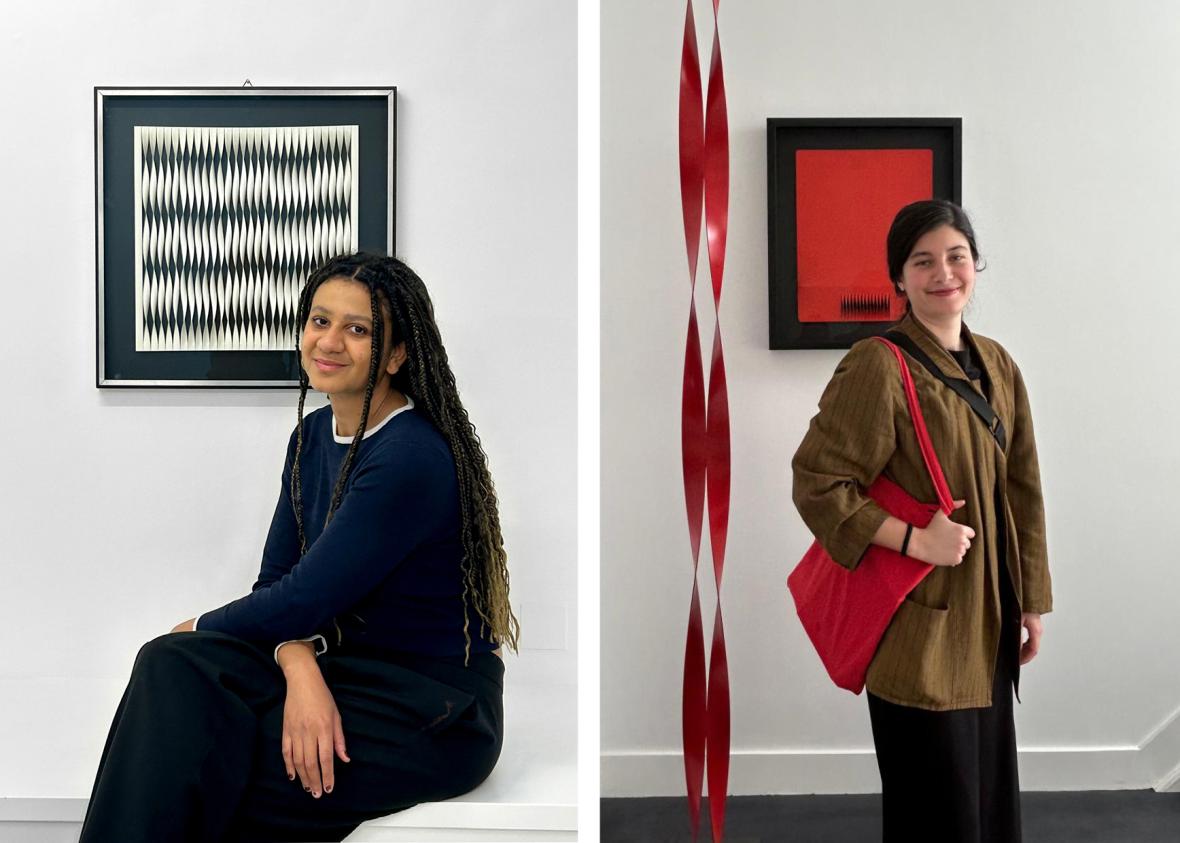
Sol Mussa and Sara Piñeiro have been selected for the second edition of the Novos Valores residencies, a programme developed by Museo de Pontevedra and the Walter & Nicole Leblanc Foundation. Both artists stayed at the Foundation to research our archives, and now continue their projects at the Matadero Contemporary Art Centre in Madrid. The results will be presented at the Pontevedra Biennial 2027.
Novos Valores is an ongoing initiative supporting artistic creation and contemporary art, fostering collaboration between art, design and science.
Sol Mussa (b. Vigo, 1996) is a multidisciplinary artist pursuing a PhD in Creation and Research in Contemporary Art at the University of Vigo. During the Novos Valores residency, she will develop Biblioteca Decolonial, a project based on old books rescued from a private library in Galicia that were destined to be discarded. Using a range of techniques, she will transform this material into new objects. The project connects Galician symbolism with decolonial perspectives, addressing issues of sustainability, race, and cultural diversity. Her practice seeks to create space for alternative ways of seeing, questioning how white-dominant histories shape visual culture. At the Walter & Nicole Leblanc Foundation, she will engage with the Foundation’s archives as living material—approaching rhythm, repetition, and movement in dialogue with her own process-based practice. Brussels is a key context for the project: a city shaped by cultural diversity and ongoing debates around colonial memory, where she will encounter artists and scholars working critically in this field, expanding the research through exchange and dialogue.
Sara Piñeiro is an artist working between Galicia and the Basque Country, currently pursuing a PhD in Creation and Research in Contemporary Art at the University of Vigo. A recipient of the Novos Valores residency, Piñeiro develops Esas estupendas materias duras, a process-based practice that extends from her ongoing research into granite dust, creating a dialogue between the surplus dust produced in different granite quarries across the Iberian Peninsula and dust from blue Belgian limestone, known as petit granit. Using this dust as a key material she explores how matter, context, and symbolic construction intersect across territories and extractive processes. The project materialises through mixing the dust with various binding agents and exploring ways to produce and represent surfaces. When moistened, these surfaces regain the tone of stone while adopting a strange, uniform glow. Alongside the activation of a territorial memory in which granite appears as a silent substrate, the practice expands through the use of precarious support elements—straps, fabrics, skeletal structures—opening a space for researching fragile surfaces, non-normative assemblies, and alternative ways of sustaining artistic practices.